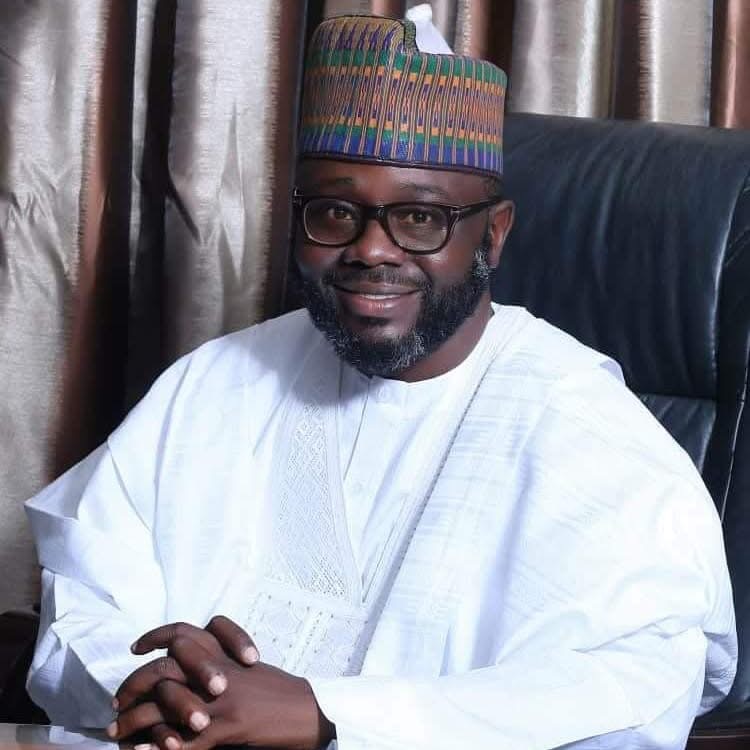
Questions over governance, development and the style of leadership in Kwara State are increasingly becoming part of public and political discussions, with Lawyer Ahmed Akanbi joining critics who say many residents are dissatisfied with the direction of the AbdulRahman AbdulRazaq administration.
Akanbi, in his assessment of the governor’s tenure during an appearance on radio program on SobiFM, accused the administration of failing to meet the expectations of Kwarans and described its performance in several important areas of governance as poor.
According to the lawyer, the concerns extend beyond individual projects to the broader approach to governance, including how government policies and resources translate into improvements in the everyday lives of residents.
He pointed to areas including education, healthcare, poverty alleviation, institutional capacity and general governance, arguing that the administration has not delivered the level of development and effective leadership expected by the people.
Akanbi also referenced a 48.3 per cent figure, which he associated with data from the National Bureau of Statistics (NBS) in Abuja, while discussing the situation in Kwara. The specific NBS report or dataset supporting the figure, he claimed was an established NBS finding as the rate of poverty in Kwara.
His comments come amid broader criticism of the AbdulRazaq administration from opposition voices. In January 2026, the Kwara State chapter of the Peoples Democratic Party passed a vote of no confidence in the governor, alleging poor governance across critical sectors. The governor’s spokesperson rejected the criticism, describing it as an attempt by the opposition to gain political attention.
Beyond partisan criticism, public discussion about the administration has produced contrasting assessments of its record. Supporters have pointed to road construction, education reforms, healthcare investments and social intervention programmes as evidence of progress. The state government has also maintained that its approach is people-focused and recently held citizens’ engagements as part of preparations for the 2027 budget.
Critics, however, argue that the existence of projects alone does not necessarily settle questions about governance. Their concern is whether government interventions are sufficiently reaching ordinary residents and whether the administration’s overall style of leadership is responsive to the challenges confronting the state.
This distinction appears central to Akanbi’s criticism. His argument is not simply that particular projects have succeeded or failed, but that there is a wider concern about the way the state is being governed and whether residents are experiencing the level of socioeconomic improvement they expected.
The debate is particularly significant as Kwara moves closer to the 2027 elections. Political disagreements over the governor’s record are likely to intensify, with supporters highlighting achievements recorded since 2019 and critics focusing on areas where they believe the administration has fallen short.
For many Kwarans, therefore, the emerging debate is increasingly about more than individual roads, buildings or programmes. It is about governance style, accountability, responsiveness and whether government policies are producing meaningful improvements in people’s daily lives.
Akanbi’s latest remarks add to that conversation, reflecting the view of a critic who believes the AbdulRazaq administration has not lived up to the expectations of the people it governs.