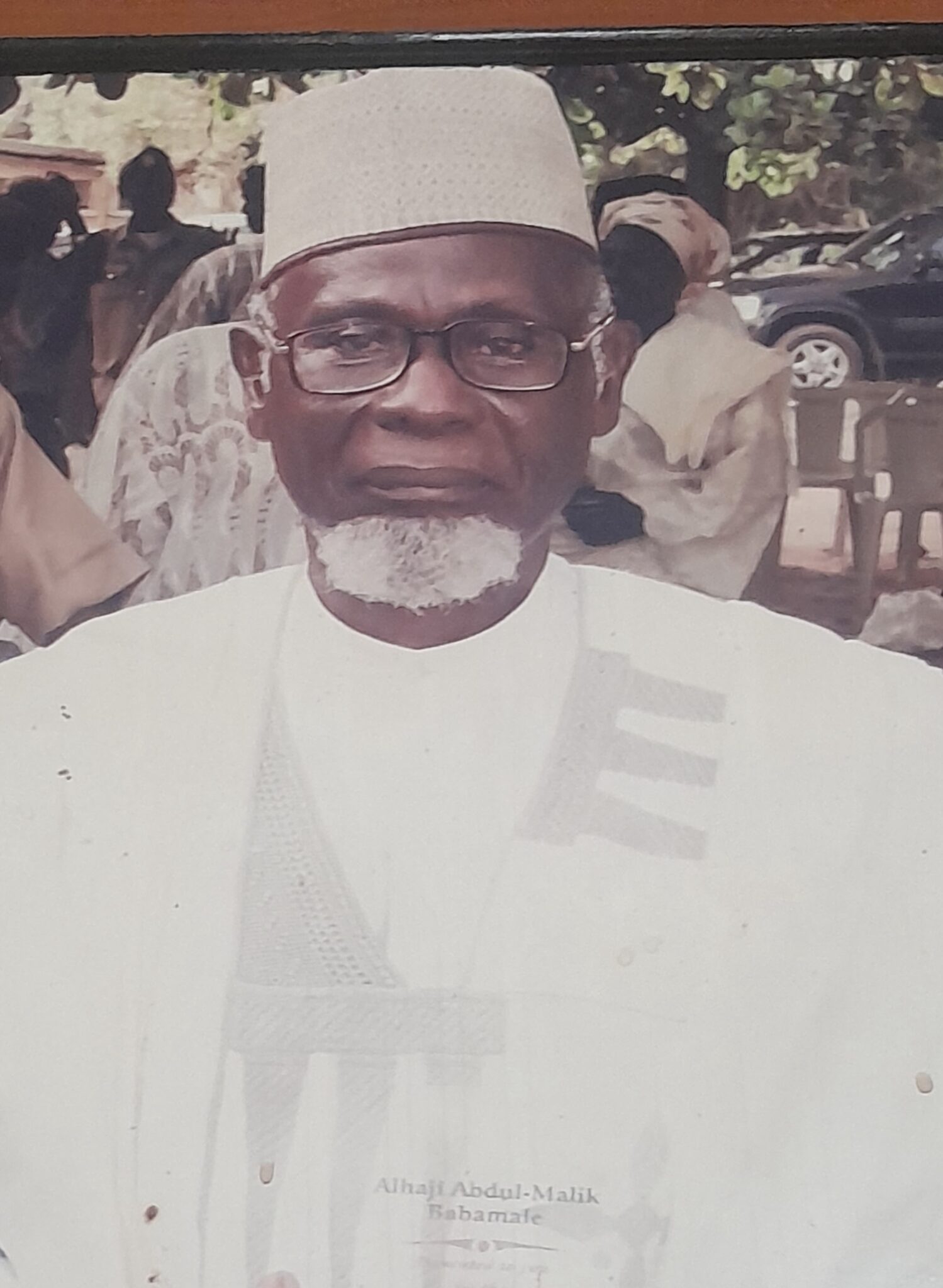
The assassination of Sir Ahmadu Bello, the Sardauna of Sokoto and Premier of Northern Nigeria, during Nigeria’s first military coup on January 15, 1966, did more than alter the political history of the country, it brought the football career of one of Northern Nigeria’s legendary players to an abrupt end. For AbdulMalik Babamale, the former captain of the Northern Lions, Bello’s death was a personal tragedy so painful that he could no longer continue playing the sport he loved.
Long before that tragedy, Babamale had established himself as one of the outstanding footballers of his generation. Born in Onitsha in 1934, he discovered football as a young boy and later developed his sporting talents through both football and athletics. His journey eventually took him to Kaduna, where he joined the Electricity Corporation of Nigeria team before rising to prominence with the Northern Lions. His leadership and defensive abilities earned him the captaincy and brought him into close contact with Sir Ahmadu Bello.
The relationship between the footballer and the Sardauna went beyond the football pitch. Bello was a strong supporter of sports and particularly wanted football to flourish across Northern Nigeria. Babamale became one of the players who benefited from that vision. Bello affectionately called him “Gajaren Captain,” meaning “Short Captain,” a reference to his stature. Babamale also recalled occasions when the Premier invited him to his home, including one memorable occasion when he presented him with a complete agbada after a match.
Babamale’s football achievements during this period were significant. As captain of Zaria Eleven, he helped the team win the Northern Governor’s Cup in 1961, 1962 and 1963. In 1964, he captained the Northern Lions against English side Queens Park Rangers during the official opening of Ahmadu Bello Stadium in Kaduna. The Northern Lions later played other international friendlies at the stadium, including matches against a Russian team and Malmö FC of Sweden.
Then came January 15, 1966. The first military coup plunged the country into turmoil and claimed the lives of several political leaders, including Sir Ahmadu Bello. For Babamale, the impact was devastating. Recalling the moment years later, he explained that the shock of the Premier’s assassination was simply too much for him to bear. He decided to walk away from football, saying his retirement was driven by the love and respect he had for the late Sardauna.
Although football ended for Babamale, his connection with the sport did not. Following the creation of states in 1967, he continued his civil service career in Kano before eventually returning to Kwara State. In 1978, he became team manager of the Kwara State Water Corporation Football Club and helped guide the side to qualification for the national league. Babamale regards that team as part of the foundation of what would eventually become Kwara United, explaining his enduring passion for the club.
Today, Babamale remains a remarkable link to a formative chapter in Nigerian football history. At 92, he is regarded as one of the few surviving members of the historic Northern Lions side that faced Queens Park Rangers in 1964. His story is more than that of a footballer whose career was cut short by a political tragedy; it is the story of loyalty, friendship, leadership and the powerful connection between sport and society. Football gave him recognition, the Sardauna gave him an unforgettable relationship, and his later work in football administration helped leave another mark on the game in Kwara.
Now in his 90’s at his hometown in Ilorin, babamale is now a grandfather, elder statesman and the only Captain of Northern Nigeria Football team from Kwara state. He lives happily with his wife annd families. Among his current engagements, he’s a member of AMICUS International club, an association of elders where he serves as Chief whip.